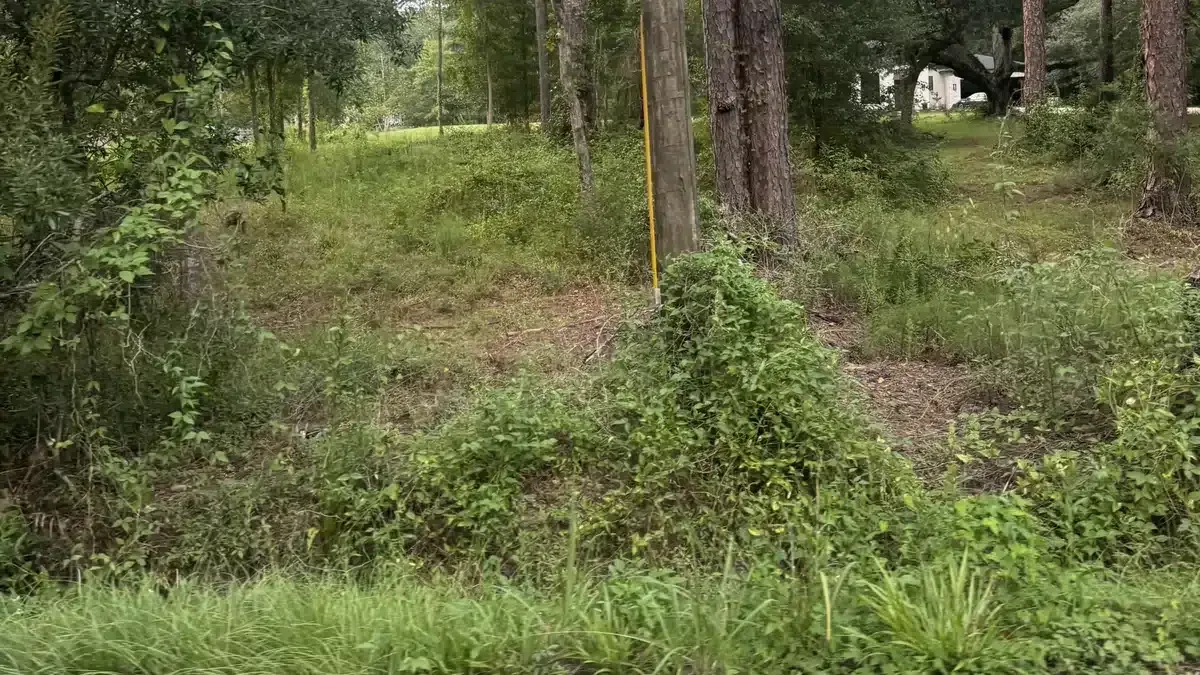
If thick brush blocks access, plants keep growing back, water sits after rain, the ground hides holes, or storm damage has piled up, your property may need professional land clearing. An on-site review can show what should be removed before winter and what should stay.
The Quick Answer: Look for Access, Water, Ground, and Safety Problems
The clearest signs you need land clearing are problems you can see or feel when you walk the land. You may lose access to part of the lot. Water may stop draining. Roots and vines may return after repeated cutting. Fallen limbs may cover old fencing, ditches, or holes.
A professional site visit helps separate light mowing work from a full clearing job. It also helps protect trees, soil, fences, and other parts of the property that you want to keep. Barrel Industries says its equipment plan begins with an on-site visit, not a phone call or photo review.
Did You Know? The USDA Web Soil Survey is an official NRCS tool. It is useful for planning, but it does not replace an on-site look at wet areas, fill, roots, or buried debris.
Five Signs Your Property May Need Professional Clearing
1. Dense Brush Blocks Safe Access
Brush has moved past a simple yard-care problem when you cannot walk the property, reach a fence, inspect a ditch, or see the base of trees. Briars, saplings, and vines can turn a usable lot into a wall of growth. They can also hide dumped material, old wire, broken limbs, and uneven ground.
Cutting a narrow path may give short-term access, but it does not open the site for a building plan, fence repair, drainage work, or regular care. Professional clearing can remove selected growth while keeping marked trees or natural buffers in place.
Pro Tip: Mark wells, septic parts, fences, survey pins, trees to keep, and other known features before the site visit. Share any old site plans you have. Clear markings help the crew discuss access and protection before machines enter the lot.
2. Invasive Growth or Woody Plants Keep Coming Back
Fast regrowth is another warning sign. If vines, woody brush, or young trees return soon after cutting, their roots and seed sources may still be active. Repeated surface cutting can make the land look better for a short time without changing how usable it is.
Do not assume every green area should become bare soil. Keeping selected cover may help protect the ground, screen a boundary, or preserve trees you value. The goal is controlled land that fits your next use, not removal without a plan. Barrel’s complete guide to land clearing explains the broad methods used for different site goals.
3. Water Stands or Drainage Paths Are Hard to See
Puddles that remain after rain, soggy tire tracks, blocked ditches, and water flowing toward a planned building area can point to a drainage issue. Thick plants may hide the route water takes across the property. Roots, soil piles, fallen limbs, or old debris may also block a shallow channel.
Clearing can open access for a drainage review, but it does not fix every water problem. The plan may also call for debris removal, grading, or other site work.
Check the official FEMA Flood Map Service Center for flood map information during early planning. A map can help you ask better questions, though field conditions may differ from mapped conditions.
Did You Know? Grass or brush can make a low area look firm even when the soil below stays soft. A site walk after wet weather may reveal ruts, standing water, or flow paths that are hard to spot on a dry day.
4. Uneven Ground Hides Holes, Stumps, or Old Debris
A lot may look flat from the road while hiding stumps, trenches, washouts, broken concrete, old fence wire, or dumped material. These hazards can hurt people, damage mowing equipment, and block later construction work. They also make it hard to judge how much usable space you have.
Once growth is removed, the contractor can point out areas that may need stump removal, debris hauling, fill, or grading. If a building project follows, review Barrel’s guide on how to clear land for construction to see how clearing fits into the larger site plan.
Pro Tip: Never probe an unknown hole or move buried wire with your hands. Keep people and pets out of hidden areas until the site has been checked. Tell the contractor about any dumping, fire pits, tanks, or past structures you know about.
5. Storm Damage Has Mixed With Live Growth
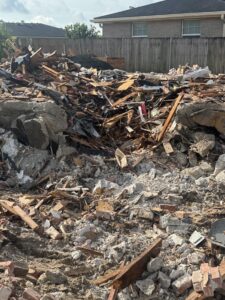
Fallen limbs, leaning trees, broken tops, and tangled vines can create an unstable work area. Storm debris may cover property lines, drainage routes, or the base of damaged trees. New growth can then weave through the pile, making hand removal harder and hiding sharp or heavy material.
A professional can review access, tree condition, debris, nearby structures, and the space needed for safe work. Some material may be hauled away, while other material may be processed on-site when the site and project allow it. Dead or leaning trees near power lines need special care; keep your distance and contact the utility when a line may be involved.
Pro Tip: Take wide photos from a safe spot after a storm, but do not climb onto a debris pile. Photos can document the area. They should not replace the site visit used to plan the job.
Why Plan the Work Before Winter?
A pre-winter review gives you time to define the job before the property is tied to a spring build, fence, garden, pasture, or access project. It also gives you time to locate known features, mark trees to keep, check flood and soil records, and discuss where equipment can enter.
Rain, soft soil, active storms, and site access can still change the schedule. Early planning does not mean winter will always be dry or easy.
If the work includes digging, stump removal, or other ground disturbance, follow the current utility-marking rules for your job. Louisiana 811 states that excavators and demolishers must contact the regional notification center at least two full business days before work begins. Your contractor can explain how utility marking fits the work plan; that discussion is not legal advice.
What a Professional Site Review Should Cover
A useful review starts with your end goal. Tell the contractor whether you plan to build, fence, mow, improve access, repair drainage, or reclaim an unused area. Point out what must stay, including healthy trees, buffers, utilities, and property markers.
The contractor should then look at growth density, tree and stump size, slope, wet areas, hidden material, access width, nearby structures, and space for debris. Ask what each part of the work includes and what the property should look like when the crew leaves.
Barrel Industries states that most of its Louisiana jobs use at least two machines in sequence. That is the company’s stated process, not a rule for every property. The mix should follow the actual site and goal. You can learn more about Barrel’s professional land clearing service before requesting a visit.
Frequently Asked Questions
Can I clear an overgrown Louisiana lot myself?
Light mowing or trimming may be reasonable in an open area with known ground. Dense brush, large trees, hidden debris, soft soil, steep edges, or nearby utilities can call for trained crews and purpose-fit equipment. A site review can define which parts need professional work.
Does standing water mean I need land clearing?
Standing water is one sign that the site needs a closer look, but clearing may not be the full fix. Brush or debris can block flow, while grade, soil, or off-site water may also play a part. Ask for a plan that addresses the cause.
Should every tree and plant be removed?
No. The work plan can keep selected trees, boundary screens, or useful ground cover. Mark what you want to protect and ask how the crew will work around it. The cleared area should match your next use rather than leave all soil bare.
How do I prepare for a land clearing estimate?
Write down your goal, walk only the areas that are safe, and gather surveys or old site plans. Mark known utilities, septic parts, wells, property pins, and trees to keep. Tell the contractor about wet spots, buried debris, old structures, and storm damage.
Plan the Next Step Before Growth Hides More of the Site
The signs you need land clearing often appear together: blocked access, fast regrowth, standing water, hidden hazards, and storm debris. A walk-through now can help you learn what the land needs before winter and before a later project adds time pressure. It can also keep a small access or drainage problem from staying hidden under new growth.
Barrel Industries provides on-site estimates for land clearing in New Orleans and across Louisiana. Request a free, no-obligation estimate to review your property, mark what should stay, and get a clear scope for the work.