Land clearing is the process of removing trees, brush, stumps, and debris from a piece of land to prepare it for construction, agriculture, or development. If you own property in Louisiana and you’re getting ready to build or develop, understanding the main land clearing methods, equipment, costs, and local regulations will save you time, money, and headaches before the first machine rolls onto your lot.
This guide covers everything Louisiana property owners need to know — from how land clearing works to what to expect when you hire a professional crew.
What Is Land Clearing, and When Do You Need It?
Land clearing is required any time a property has vegetation, stumps, or old debris that must be removed before development can begin. That includes new home builds, commercial construction, agriculture expansion, storm debris removal, and vacant lot reclamation.
In South Louisiana specifically, lots often sit idle for years between ownership changes. That means overgrown brush, invasive vines, downed trees from past storms, and sometimes old concrete footings or fence lines buried in the vegetation. A professional land clearing crew handles all of it — not just the trees you can see.
Did You Know: Louisiana’s warm, wet climate means vegetation regrows faster here than in most of the country. A lot that was cleared two years ago can have 6–8 feet of new brush growth in the understory without regular maintenance.
The 4 Main Land Clearing Methods
Understanding the different land clearing methods helps you ask the right questions and choose the right contractor for your specific job.
Mechanical Clearing
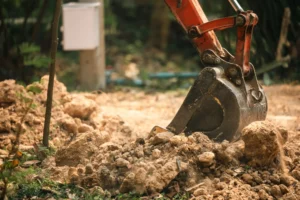
Mechanical clearing uses heavy equipment — bulldozers, excavators, track loaders, and forestry mulchers — to physically remove trees, brush, and stumps. It’s the most common method for residential and commercial lot prep in Louisiana. It’s fast, thorough, and works on lots with heavy tree cover or large stumps that can’t be handled manually.
The tradeoff: mechanical clearing disturbs more topsoil than other methods. If your project requires specific grading or soil preservation, your contractor should factor that into the plan from day one.
Forestry Mulching
Forestry mulching uses a single machine with a rotary drum to grind trees, brush, and stumps directly into mulch on-site. The mulch gets left on the ground as a natural ground cover, which reduces erosion and can improve soil health over time.
This method is popular for properties where you want to clear vegetation without stripping the topsoil or leaving a barren lot. It’s also faster and often more cost-effective than full mechanical clearing when the tree diameter isn’t too large. For lots with mostly brush and smaller trees, forestry mulching is often the smarter call.
Pro Tip: If you’re clearing land near a waterway, bayou, or low-lying area in Louisiana, forestry mulching is worth discussing with your contractor. The mulch layer helps stabilize soil and reduce runoff into adjacent water, which can matter for permitting.
Manual Clearing
Manual clearing uses hand tools and small power equipment — chainsaws, brush cutters, hand saws — to remove vegetation. It’s best suited for smaller areas, selective clearing where you want to keep certain trees, or properties where heavy equipment access is limited.
Manual clearing takes more labor hours and is typically more expensive per acre than mechanical clearing, but it gives you more precision. If you’re clearing around an existing structure, a property line, or specimen trees you want to keep, manual work is often necessary alongside the heavier equipment.
Controlled Burning
Controlled burning — also called prescribed burning — uses fire to clear vegetation over larger agricultural or rural tracts. In Louisiana, this method is used most often on rural farmland and timber properties, not urban or suburban lots.
It requires permits and must be carried out under specific weather and wind conditions. For most residential and commercial land clearing jobs in the New Orleans metro and surrounding parishes, controlled burning is not applicable.
Land Clearing Equipment: What Gets Used and Why
Did You Know: The right equipment choice on a land clearing job can cut total project time in half. A crew using a forestry mulcher on a brush-heavy half-acre lot will often finish in hours rather than days compared to a manual approach.
The equipment your contractor brings to a job tells you a lot about how experienced they are. Here’s what professional land clearing crews typically use:
- Bulldozers push trees, stumps, and debris into piles for removal or burning. They’re the workhorses of large clearing jobs.
- Excavators dig out stumps, regrade soil, and remove buried debris. At Barrel Industries, our excavators double as site prep machines once the clearing is done — we can move directly into excavation services without mobilizing separate equipment.
- Forestry mulchers grind brush and smaller trees on-site. Fecon and Denis Cimaf mulching heads are common on Louisiana crews because they handle the thick understory growth this climate produces.
- Track skid steers maneuver in tighter spaces and carry debris. Useful for residential lots with limited access points.
- Stump grinders reduce stumps below grade after tree removal. Full stump extraction requires an excavator or dedicated equipment.
Louisiana-Specific Considerations Before You Clear
Land clearing in Louisiana isn’t just about the vegetation. There are several factors specific to this state that property owners need to account for before work begins.
Soil Conditions
South Louisiana soil is famously soft and clay-heavy in many areas. During wet seasons, equipment can sink into the ground, damaging the lot surface and making regrading harder. Experienced Louisiana contractors time their jobs around weather windows and know which equipment leaves the least ground disturbance on wet soil.
Wetlands and Flood Zones
If your property is near a bayou, wetland, or falls within a FEMA flood zone, you may need permits from the Army Corps of Engineers or the Louisiana Department of Natural Resources before any clearing begins. This is non-negotiable — unpermitted clearing near protected wetlands carries real fines and restoration requirements.
Pro Tip: Before calling for a quote, pull up your property on the FEMA Flood Map Service Center to see if your lot falls in a Special Flood Hazard Area. That single step can save you weeks of permitting delays.
Protected Trees
Some municipalities in Louisiana — including the City of New Orleans under its Tree Protection Ordinance — require permits for removing trees over a certain trunk diameter. Your contractor should know the local rules for your parish and municipality. At Barrel Industries, we advise on permit requirements as part of every project before a single tree comes down.
What Happens to the Debris?
Once vegetation is cleared, the debris has to go somewhere. There are generally three options:
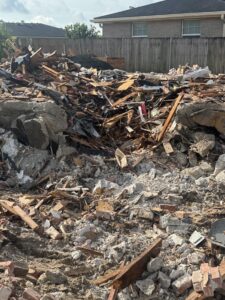
On larger rural properties, contractors often push debris into burn piles that are burned under permit. On residential or commercial lots in more populated areas, debris is chipped on-site or loaded and hauled off. At Barrel Industries, we include complete debris removal and site cleanup in every quote — the lot is clean when we leave.
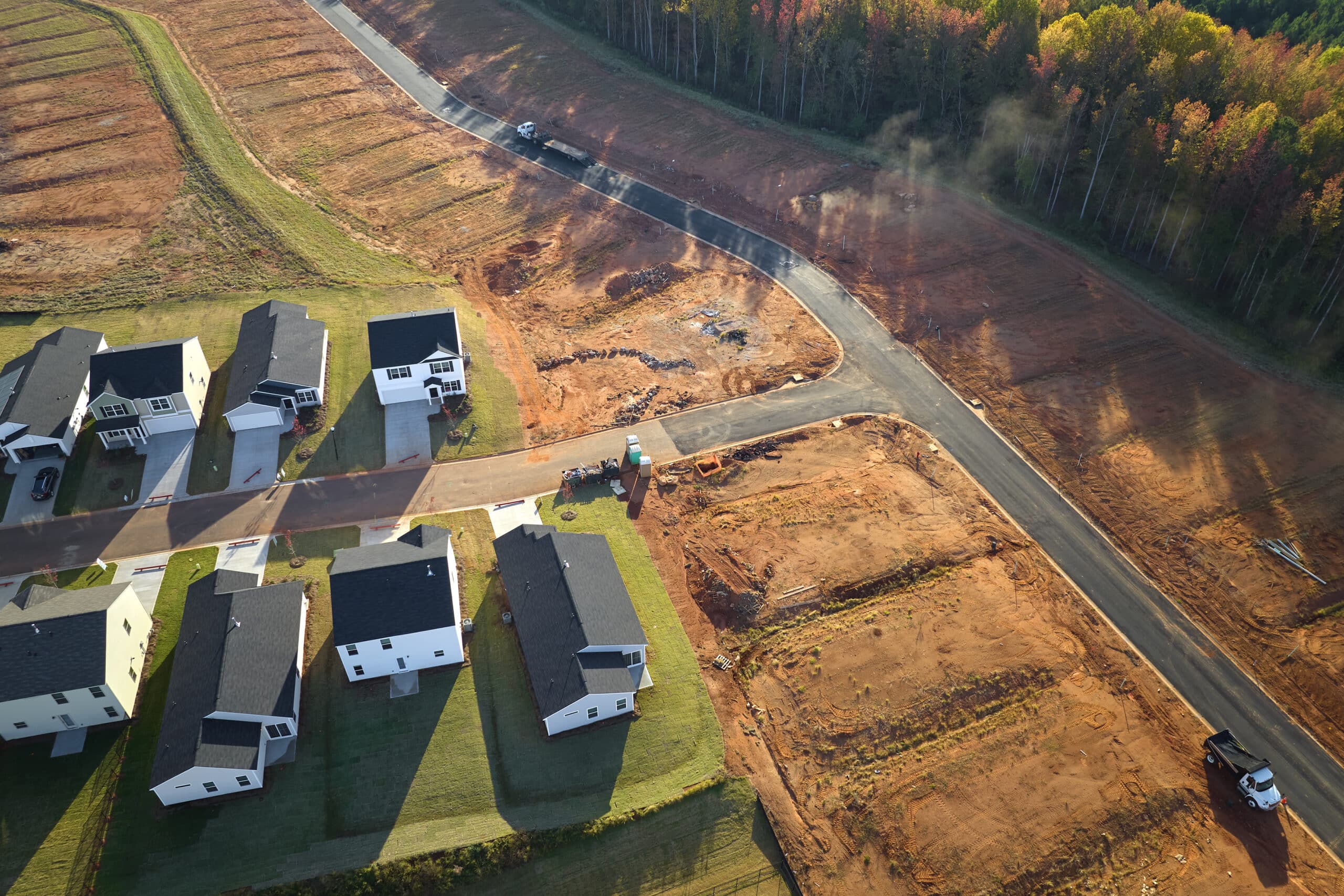
If you need the lot graded and prepared for construction after clearing, that’s typically a separate service, though we handle it in sequence without remobilization.
How Much Does Land Clearing Cost in Louisiana?
Cost depends on lot size, vegetation density, equipment required, debris disposal, and whether grading is needed afterward. For detailed price breakdowns by lot size and job type, see our complete guide: How Much Does Land Clearing Cost in New Orleans?
As a general reference, residential lot clearing in the New Orleans area typically starts around $1,500 for a small, lightly vegetated parcel and scales up significantly with acreage and tree density.
Frequently Asked Questions
What are the main land clearing methods? The four primary land clearing methods are mechanical clearing, forestry mulching, manual clearing, and controlled burning. Mechanical clearing and forestry mulching are the most common approaches for residential and commercial lots in Louisiana. The right method depends on vegetation density, lot size, soil conditions, and what you plan to do with the land after.
Do you need a permit to clear land in Louisiana? It depends on your property’s location and the scope of work. Properties near wetlands, bayous, or within FEMA flood zones may require permits from the Army Corps of Engineers or the Louisiana Department of Natural Resources. Some municipalities also require permits for removing trees above a certain size — in New Orleans, that threshold is any tree with a trunk diameter of 6 inches or greater.
How long does land clearing take? Most residential land clearing jobs in the New Orleans area take one to three days. Heavily wooded properties, larger tracts, or lots with difficult access or soft soil can take longer. Your contractor should provide a timeline estimate during the site visit.
What is the difference between land clearing and bush hogging? Land clearing removes trees, stumps, root systems, and debris to prepare land for development or construction. Bush hogging is a lighter vegetation management service that cuts overgrown grass, weeds, and brush using a rotary cutter. If your lot has no large trees or stumps and just needs overgrowth cut back, bush hogging is typically faster and more affordable.
What happens after land clearing is complete? After clearing, most properties need some level of grading, stump grinding, or site prep before construction can begin. Depending on the project scope, the next steps may include excavation, rough grading, drainage work, or foundation prep. Barrel Industries handles all of these services — ask about a combined quote when you schedule your estimate.
To wrap up: understanding the land clearing methods and local conditions that apply to your Louisiana property makes the whole process go smoother. Whether you’re clearing a quarter-acre residential lot in Metairie or a multi-acre tract in St. Tammany Parish, the right crew and the right method make all the difference.
Ready to get your land cleared? Contact Barrel Industries for a free estimate — our team knows Louisiana land, works with licensed and insured equipment operators, and gives you straight answers before any work begins. Call (504) 600-0805 or request your free estimate online.